
The rapid expansion of online selling has reshaped how businesses reach customers across states and cities. Digital platforms allow sellers to list products, manage payments, and ship orders without physical storefronts. While this model offers speed and scale, it also places sellers within a defined tax framework under the Goods and Services Tax system. Registration under GST stands as a legal and operational requirement for most e-commerce sellers operating in India.
Unlike traditional businesses that often rely on turnover thresholds, online sellers face specific obligations regardless of revenue size. The GST law treats e-commerce transactions differently due to interstate supply, centralized platforms, and digital payment flows. Sellers entering this space must align with tax rules from the beginning to avoid penalties and disruptions.
Many sellers begin the process with a professional GST Registration Service to ensure accuracy in documentation and classification. This step helps sellers enter marketplaces smoothly while meeting statutory requirements without confusion or rework.
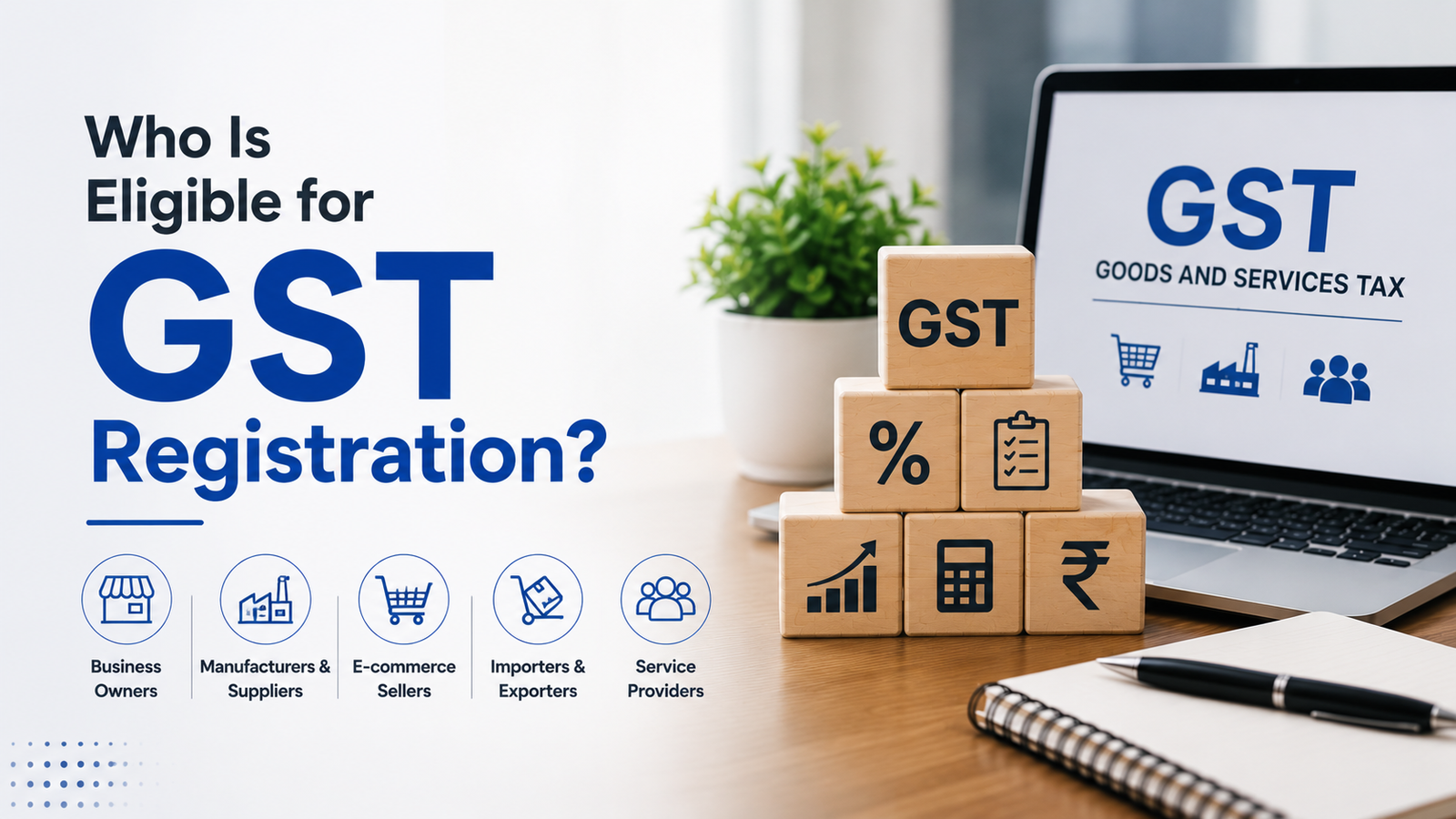
Why GST Registration Is Mandatory for E-commerce Sellers?
GST law clearly states that individuals or entities supplying goods or services through e-commerce platforms must register under GST. This requirement applies even when annual turnover remains below the general exemption limit. The law considers online selling as a structured supply chain involving platform operators, logistics partners, and digital payments.
Mandatory registration allows tax authorities to track interstate transactions, tax collection at source, and credit flow. Without registration, sellers cannot legally list products on most marketplaces or receive payments through structured platforms.
GST registration also builds trust with buyers and platforms. It signals compliance, transparency, and readiness for scale. Sellers who delay registration often face account suspension or payment holds by marketplaces.
Who Qualifies as an E-commerce Seller Under GST?
An e-commerce seller refers to any individual or business supplying goods or services through an electronic platform. This includes marketplace sellers, service providers, and digital product vendors.
Examples include:
- Sellers listing products on online marketplaces
- Service providers offering bookings through apps or portals
- Businesses selling digital products or subscriptions
- Home-based sellers shipping goods across states
Even sellers operating from a single location fall under this category when they sell online. The mode of sale, not the size of business, defines eligibility.
E-commerce Operator vs E-commerce Seller
GST law draws a clear line between platform operators and sellers. Operators manage the digital infrastructure, while sellers supply goods or services.
Key distinctions include:
- Operators collect tax at source on behalf of sellers
- Sellers remain responsible for output tax and returns
- Operators file separate compliance statements
- Sellers manage invoicing and credit claims
Understanding this difference helps sellers manage compliance independently without relying on platform processes alone.
Turnover Threshold Rules for Online Sellers
Offline businesses may enjoy exemption up to a specified turnover limit. E-commerce sellers do not receive this benefit for goods. GST registration becomes mandatory from the first sale made online.
For service providers selling through platforms, limited exceptions exist in specific notified categories. However, most online sellers should assume registration applies from the start.
This rule ensures consistent tax treatment across states and prevents revenue leakage due to decentralized online selling.
Documents Required for GST Registration
Accurate documentation speeds up approval and avoids rejection. Applicants must submit identity, address, and business-related records.
Common documents include:
- PAN of the applicant or business
- Aadhaar of authorized signatory
- Proof of business address
- Bank account details
- Photograph of the applicant
Digital submission through the GST portal simplifies the process. Authorities may request clarification if details appear inconsistent.
Step-by-Step Registration Flow
The GST registration process follows a structured online flow. Sellers must complete each stage carefully to avoid delays.
Key steps include:
- Online application submission
- Verification through OTP
- Upload of supporting documents
- Officer review and approval
- Issuance of GSTIN
Once approved, sellers receive a unique GST identification number that enables lawful trading on e-commerce platforms.
GSTIN and Its Role in Online Selling
A GSTIN acts as a tax identity for the seller. Marketplaces require this number to activate seller accounts and process settlements.
The GSTIN appears on:
- Tax invoices
- Shipping documents
- Return filings
- Payment reconciliations
Incorrect or inactive GSTIN details often lead to account restrictions. Regular status checks help sellers avoid such issues.
Invoicing Rules for E-commerce Sellers
GST law mandates specific invoice details for online sales. Sellers must generate tax invoices for every transaction.
Invoices must include:
- Seller name and GSTIN
- Buyer details
- Invoice number and date
- Product description and value
- Applicable tax rates
E-commerce platforms may auto-generate invoices, but sellers remain responsible for accuracy. Errors can lead to mismatches in returns.
Tax Collection at Source and Its Impact
E-commerce operators collect tax at source on net sales made through their platform. This amount reflects in the seller’s electronic cash ledger.
Sellers can claim this credit while filing returns. Proper reconciliation ensures no blockage of funds. Ignoring TCS entries may lead to excess tax liability.
This mechanism improves transparency while requiring sellers to maintain clean records.
GST Returns Applicable to E-commerce Sellers
Registered sellers must file periodic returns based on their business activity. These filings report sales, tax liability, and credit claims.
Common returns include:
- Monthly or quarterly outward supply returns
- Summary returns for tax payment
- Annual returns
Timely filing prevents late fees and interest. Automated accounting tools help sellers manage deadlines effectively.
Input Tax Credit for Online Sellers
GST allows sellers to claim credit on tax paid for business expenses. This includes packaging materials, logistics services, and platform fees.
To claim credit:
- Supplier invoices must carry valid GSTIN
- Returns must reflect matching details
- Payment to suppliers must occur within stipulated time
Proper credit management improves cash flow and reduces overall tax burden.
Compliance Responsibilities Beyond Registration
Registration marks the beginning of compliance, not the end. Sellers must maintain records, issue correct invoices, and file returns consistently.
Ongoing responsibilities include:
- Record retention
- Periodic reconciliations
- Responding to notices
- Updating business details
Active compliance builds credibility with authorities and platforms.
Common Errors Made by E-commerce Sellers
Many sellers face issues due to avoidable mistakes during registration and compliance.
Frequent errors include:
- Incorrect business classification
- Mismatch in invoice values
- Missing return deadlines
- Ignoring TCS credits
Early attention to compliance prevents financial and operational stress.
Penalties for Non-Registration or Non-Compliance
Operating without GST registration invites strict penalties. Authorities may impose fines, interest, and even block platform operations.
Penalties may arise due to:
- Supplying goods without registration
- Delayed return filing
- Incorrect tax payment
- Misreporting transactions
Compliance ensures uninterrupted selling and protects business reputation.
GST and Interstate Online Sales
Online sales often cross state borders. GST treats such transactions as interstate supplies, attracting integrated tax.
Sellers must:
- Charge correct tax rates
- Mention place of supply
- Maintain shipment documentation
Accurate classification avoids disputes and ensures smooth logistics.
Role of Technology in GST Compliance
Digital tools simplify GST compliance for online sellers. Accounting software, reconciliation tools, and dashboards reduce manual errors.
Technology helps in:
- Invoice automation
- Return preparation
- Credit tracking
- Compliance alerts
Adopting the right tools supports scalable growth.
Future Outlook for E-commerce GST Framework
The GST framework continues to evolve with digital commerce growth. Authorities aim to strengthen compliance while simplifying processes.
Sellers who maintain transparency and adapt to regulatory updates remain well-positioned for expansion. Structured compliance supports sustainable online business models.
Frequently Asked Questions
1. Is GST registration compulsory for small online sellers?
Yes, GST registration applies to online sellers from the first sale of goods through an e-commerce platform. Turnover exemptions available to offline sellers do not apply here. This rule ensures proper tax tracking for interstate and digital transactions conducted through marketplaces.
2. Can an individual seller apply for GST registration?
An individual can register under GST as a sole proprietor. The process remains the same as for other entities. The seller must provide PAN, address proof, and bank details. Registration allows lawful selling across platforms without operational interruptions.
3. Does GST apply to digital products sold online?
Yes, GST applies to digital products and services sold online. The tax rate depends on the nature of the product or service. Sellers must issue proper invoices and report such supplies in returns to remain compliant with tax regulations.
4. What happens if an online seller does not file returns?
Failure to file returns leads to late fees, interest, and possible suspension of GSTIN. Marketplaces may restrict seller accounts due to inactive GST status. Regular filing ensures uninterrupted business operations and avoids regulatory action.
5. Can sellers cancel GST registration later?
Sellers may apply for cancellation if they stop online selling or close operations. The process requires filing final returns and clearing dues. Authorities approve cancellation after verification, ensuring no pending liabilities remain against the GSTIN.
6. Is separate GST registration required for each state?
Yes, sellers must register separately in each state from where they operate warehouses or dispatch goods. Each registration carries a unique GSTIN. Centralized registration does not apply to supply-based operations across multiple states.
7. How does GST affect pricing for online products?
GST influences final product pricing as sellers must add applicable tax rates. Transparent pricing helps buyers trust the seller. Proper credit claims also help sellers manage margins without inflating prices unnecessarily.
8. Can GST credit reduce tax liability for sellers?
Yes, input tax credit reduces overall tax liability by allowing sellers to offset tax paid on business expenses. Accurate invoices and timely returns ensure smooth credit utilization, improving cash flow and profitability.
9. Do marketplaces handle GST compliance for sellers?
Marketplaces handle limited aspects such as tax collection at source. Sellers remain responsible for registration, invoicing, returns, and tax payments. Relying solely on platforms may lead to compliance gaps.
10. How often should online sellers review GST compliance?
Sellers should review GST compliance monthly. Regular checks help identify mismatches, missed credits, or filing errors early. Consistent reviews reduce the risk of penalties and ensure smooth long-term operations.






Leave a Reply